Sunday, 24 February 2008

Great news... and a night on the town!


So the cats out of the bag now… and I can tell you I’m going to be an AUNTIE!! YAY!!! I’m so over excited, my sister-in-law is due on the 21st August and both her and my bro will make great parents! Me and my mum couldn’t resist and have been buying baby outfits already! So that’s the news out of the way now back to everyday life…


Sorry for the lack of blogging been busy again with uni work, 3 more assignments handed in, only 4 more to go!!!


I’ve had a cold this week so had to miss uni a few days! I’m on the mend now and even managed a night out with the uni girls last night for one of their 21st birthdays. You would think we had grown out of fancy dress by now but oh no…. school girls, cats, cowboys, fairies and even Marilyn Monroe were all out last night!


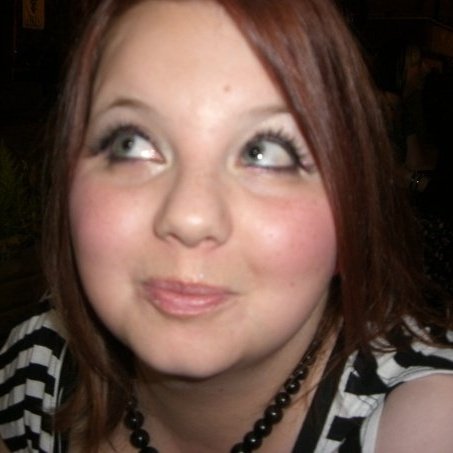
I had a great night, although as usual I did have to leave early as I was shattered and due to the fluid restriction couldn’t drink much (it’s not much fun being the only sober person). My patience doesn’t last long when the drunks get into the swing of things… literally, I got hit on the head twice last night by my mate Nic (see pic)!!!


So dialysis has been going ok, same old thing really… blood tests next week, to check the levels of potassium, phosphate, calcium and about a hundred more things, basically seeing whether I’m sticking to the renal diet or not and whether I’m taking my tablets!!!


So plans for next week are…. Going to uni, doing uni assignments and not forgetting dialysis, I lead an exciting life!



Tuesday, 5 February 2008

Uni work struggles

I think the new dry weight worked as I didn’t feel as bad at the end of dialysis It took me a few attempts to get my blood pressure but not half as long as last week so that’s good.


I’m mad busy at the mo, I’ve got uni deadlines coming out of my ears and I’m struggling to fit in doing my assignments with actually going to uni and going to dialysis. Dialysis (including travelling time) takes up over 14 hours of my week meaning I have 14 hours less every week than my friends to do my uni work. I can’t do it whilst I’m at dialysis as I am right handed and unfortunately my needles in my fistula are in my right arm.


On top of all this I’ve been asked to volunteer for Transplants in Mind. I wouldn’t mind but it’s in Birmingham on the 8th right in the middle of my deadlines! So I’m going to have to decline until summer and focus on my uni work. I feel bad about it but I can’t physically fit it in.


No other news really other than an old friend got in contact and has asked me to get involved in setting up a North West young patients kidney group. Something needs to be put in place for young kidney patients but I don’t know when or if it will evolve into anything but I will keep you updated.

Saturday, 2 February 2008

What is a dry weight?

Emily commented on my last blog asking what a dry weight was. So here is where I try and explain it. It took me a while to work out what it was when I first started dialysis!


Your dry weight is your weight after a dialysis session when all of the extra fluid in your body has been removed when there is no excess fluid in the lungs or in the tissues. Most dialysis patients don’t pass urine so fluid builds up in between each dialysis session so this is why renal patients have to have a fluid restriction. If you let too much fluid build up between sessions, it is harder to get down to your proper dry weight.


If you are way above your dry weight, fluid will make its way to your lungs or the tissues in the body especially in the ankles and this will also cause your blood pressure to rise.


If you are under your dry weight you may experience cramps/dizziness/sickness on the dialysis machine towards the end of the session. Low blood pressure is also an indication of being under your dry weight.


It is hard to regulate your dry weight as people’s weight changes all the time especially when you are relatively young like me. It’s hard to know whether weight gain is due to fluid or actual fat gained.


So last night I took the fluid off to my new dry weight of 66.5kg I removed 2.1ltrs and didn’t experience any cramps or dizziness which was great however it took me way over half an hour to get any blood pressure at all! So we’ll just have to wait and see how I get on over the next few weeks!


I’m busy doing uni work all day today as I have deadlines looming but am going to catch up with a friend later on tonight down the pub so that should take my mind of it!


Anyway I hope this post has helped Emily and anyone else who was confused about what my dry weight was!!!


Have a lovely weekend! x

Thursday, 31 January 2008

Live Life Then Give Life

So, I’ve told you all about dialysis, transplants etc let me know if there’s anything else you want to know about my condition I’d be only too happy to tell you….


Nothing much to update you on really. I’ve been really busy with uni work and assignments as I like to cram as much as I can in when I’m feeling well incase I can’t do any work the next day if I’m not up to it! This is probably not the best way of doing it but it’s the only way I can manage it.


Had a bit of a rough dialysis last night as my blood pressure dropped really low 75/45 at one point, I felt sick and had awful cramp in my leg which is maximised as I am stuck on the dialysis bed with not much room to move, whereas normally you’d jump and stamp around I cant do that because of the tubes attaching me to the machine.


So as a result my dry weight has been changed to 66.5kg now so hopefully that will help and I won’t feel as bad as that again anytime soon. So I’m feeling a bit delicate today, a bit dizzy so I’m not going into uni, I’ll attempt to do some work from home later.


Before I go I want to tell you a little bit about a charity that is close to my heart (or should I say kidneys lol)


Live Life Then Give Life was originally set up as a campaign by Emma Harris and Emily Thackray to raise awareness of organ donation and the chronic lack of organ donors in the UK. It aims to encourage people to think and talk about the subject of organ donation and to try and get them to take the proactive step of signing the organ donor register. That was back in March 2006 and they ran it by themselves until about 6 months ago when they decided that LLTGL should become a charity so that it could do much more to save lives.


LLTGL helps give those affected by transplant a voice within the media, educates the public with literature, talks and events, and supports those in need of a vital transplant, which due to the terrible shortage of donors in the UK may never come.


Well I had some exciting news… my good friend at the charity Live Life Then Give Life, Emma has asked me to be the North West advocate for the charity, this is a great honour and a privilege! Emma and Emily are an inspiration to me, Emma suffers from CF and Emily received a double lung transplant a year ago after also being born with CF, I am pleased to say she is doing fantastically well and both Emma and Emily are a great support to me. So thank you, you two! x


Click here to find out more about the LLTGL charity.

Sunday, 27 January 2008

A little about kidney transplants....


Over 1,500 kidney transplants are performed in the UK every year and many more could be performed if more kidneys were available. The first kidney transplant operations were performed in the 1950s. The operation itself is straightforward, and the success rate for kidney transplants is excellent and higher than for other kinds of organ transplants.


Tests before the operation….


Someone who is called into the hospital for a transplant is not guaranteed to receive it. Before the operation can go ahead, it is necessary to check that you are well enough to have the operation and will not reject the transplanted kidney.


o Physical examination - even if you have so much as a cold the operation could not go ahead due to risks and you may be sent home.


o Cross-match - the cross-match is a blood test that checks there are no antibodies (substances that normally help the body to fight infection) that would react with the donor kidney. High levels of such antibodies in the blood mean that the new kidney is likely to be rejected as soon as it is put in, even if it seems a good match.


The operation….


An operation to transplant a kidney requires a general anesthetic and lasts about two to three hours. The recipient’s own kidneys are usually left in place. The transplant kidney is placed lower down in the abdomen, just above the groin.


When the patient wakes up they will have lots of tubes coming out of them. These will include:


  • a urinary catheter (a tube into the bladder)
  • a central venous pressure (CVP) line. This is a tube which goes into a large vein under the collarbone or in the side of the neck, and measures the pressure of blood inside the heart
  • an intravenous drip in the arm (to give the patient fluid and drugs if necessary); and, probably
  • one or more surgical drains coming out of the abdomen (to drain off any fluid that gathers around the kidney after the operation).


In about one third of kidney transplants, the kidney does not produce any urine in the first few days after the transplant. This does not mean that the transplant will never work. If the transplant does not work at the start, dialysis will be required and the patient will need to play a waiting game until the kidney starts working.


Click here to see an animation of how a transplant takes place ...


The future after a kidney transplant…


The stay in hospital is usually about two weeks. After leaving hospital, clinic visits are very frequent for months - initially two or three times per week.


The transplanted kidney provides enough kidney function and after a successful transplant, there is no need for dialysis, provided the transplant continues to work well. A ‘good’ transplant provides about 50% of the function of two normal kidneys (compared with only about 5% from either type of dialysis). However, it is not a complete cure for all the problems of kidney failure. This is because it is necessary to take drugs to keep the transplant working, and these have side effects.


Patients who have a successful transplant should feel better and have more energy. There may still be a need to watch your diet to protect the kidney (but not half as much restriction as there is on dialysis).


If a transplant fails, you can go back to dialysis or have another transplant. Even a successful transplant may not last forever. You have to take a range of medication daily to prevent rejection (the process in which the body’s immune system recognises a transplanted kidney as "foreign" and tries to remove it) of the new kidney. These are called immuno-suppressants they are drugs that are used to make the immune system less effective, so that a transplanted kidney will not be rejected these are taken for the rest of your life.


Hopefully the call will come soon... and this will be a reality!

Friday, 25 January 2008

Ways Dialysis and End Stage Renal Failure (ESRF) effects day- to- day life….


Fluid…

Most dialysis patients (especially those on haemodialysis) have to restrict their fluid intake. I have to stick to 500mls of fluid a day which is harder than you think as this also includes liquid that is contained in food.


Diet…

Haemodialysis patients have to stick to a strict diet as various waste products can build up in your blood. Each kind can have a different effect on your health.


Salt can increase blood pressure, so patients are encouraged to reduce salt intake. (Salt also has the effect of increasing thirst, so it makes it more difficult for patients to restrict their fluid intake).


Potassium is a mineral which is found in the cells of body tissue, and any excess would normally be removed by the kidneys. Too high a level of potassium is bad for the heart - in extreme case it may even cause it to stop.


Phosphate is a substance that is widely found in foods. It works very closely with the mineral calcium, and the healthy body keeps these two substances in balance. Phosphate levels may be associated with itchiness and over the long term can damage blood vessels. I am currently on phosphate binders, which are taken whenever I eat, this reduces the level of phosphate in my blood.


Kidney patients can also lack vital nutrients such as…

Protein - This is an essential nutrient that enables the body to build muscles. Low levels of protein can lead to fluid retention and to a reduction of the body’s ability to fight off infections.


Vitamins - Some patients may need vitamin B and C supplements.


Iron levels may drop and cause anaemia, this can be replaced with iron tablets in my case to maintain my Heamoglobin (HB – which also effects iron levels) I have a drug called Aranesp… this is given in needle form into the machine, 20mg once a week.


Tablets…

I’m lucky at the minute; I only take 9 tablets a day:


Renagel 800 (2 tablets 3 x a day) – these are phosphate binders and control the amount of phosphate in my blood


Lansoprazole 30mg (once a day) – this helps prevent stomach ulcers


Alfacalcidol 0.25mg (once a day) – this is a vitamin D tablet that helps to control the level of calcium in my blood.


Aspirin 75mg (once a day) – to thin my blood, this is to ensure my fistula doesn’t clot.


Aranesp (injection form 20mg once a week) – control Haemoglobin levels in my blood.


Obviously as well as all this… we mustn’t forget the delights of tiredness all the time, nausea and dizziness!

Thursday, 24 January 2008

A little bit about dialysis….


I am on Haemodialysis (HD) 3 times a week for three hours. So firstly I get to the unit around 5.15pm and am usually on the machine by 5.45pm. Before going on the machine I have to take my blood pressure and weigh myself because as well as cleaning the blood the dialysis machine also removes excess fluid, The amount of fluid removed depends on your dry weight. Mine at the minute is 66kg and I remove roughly 2.5litres every dialysis session. This part of the process is called ultrafiltration.


Haemodialysis removes waste products from the blood by passing it out of the body, through a filtering system called a dialyser and returning it, cleaned, to the body. I have two needles inserted into my fistula which is a surgically enlarged vein (located in my upper arm).This provides access to the bloodstream for haemodialysis. The fistula buzzes all the time which is a good thing as this means the blood is flowing through it freely.


Click here to see how a fistula is made and used!

The needles that are used for dialysis are a bit painful when they are inserted but during the dialysis session I can’t feel a thing. I usually just watch the tele (all the soaps) whilst I’m on the machine as this passes the time. I would go to sleep if I could but there is constant hustle and bustle and machines beeping! The machine beeps if I accidentally lean on the tubes (containing the blood) or most importantly when the dialysis has finished.


During dialysis…


While in the filtering system the blood flows through tubes made of a membrane that allows the waste products (which are much smaller than blood cells) to pass out through it. The waste products pass through the membrane into a dialysis solution (dialysate), then out of the machine. The "clean" blood is carried on through and returned safely to the body.


This happens over and over again throughout the dialysis session. Each time the "clean" blood is returned to the body, it picks up more waste products from the cells it circulates through, and brings these newly-collected toxins back to the dialyser to be removed.

Fresh dialysate is passed through continuously to make the rate of the cleaning process as fast as possible.


Click here to see an animation of dialysis in action…


and click here to see definitions of the terms in black.


Next post….

Fluid and diet restrictions … exciting stuff!!!